Heat changes how a city works. It affects health, transport, schools, energy use, outdoor work, and the simple ability to move safely through a neighbourhood. The burden is often greatest in places with little shade, crowded housing, unreliable electricity, or limited access to healthcare.
Preparing for hotter conditions therefore requires more than an emergency message during a heatwave. Cities need to understand where heat is concentrated, who is most exposed, and which changes can make everyday spaces safer.
Heat is experienced street by street
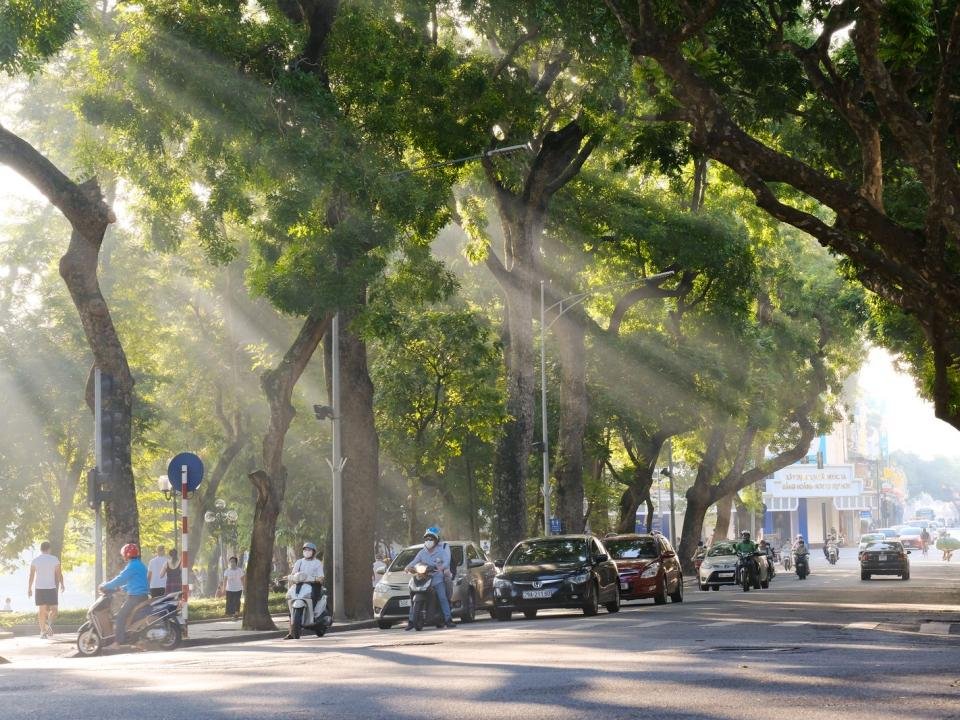
Average city temperatures can hide sharp local differences. A tree-lined street, a shaded courtyard, and a reflective roof may feel very different from a wide paved area with dark surfaces and little airflow. Mapping these differences helps local authorities direct resources where they can have the greatest effect.
Useful heat planning combines weather and land data with public health information and community experience. Residents can identify homes that overheat, bus stops without shade, and public spaces that become unusable during the hottest hours.
Shade is essential infrastructure
The Handbook on Urban Heat Management in the Global South, developed by the World Bank with contributions from UN-Habitat and the United Nations Environment Programme, highlights green infrastructure, passive cooling, and sustainable cooling systems.
Trees can lower surface temperatures, create comfortable walking routes, and improve public space. Their benefits depend on thoughtful placement, suitable species, water, and long-term care. Shade structures, covered walkways, and building design are also important, particularly where trees cannot provide an immediate solution.
Buildings can reduce indoor risk
Homes, schools, and workplaces can trap heat well into the night. Better ventilation, external shading, insulation, reflective surfaces, and designs that reduce direct sun can lower indoor temperatures without relying entirely on air conditioning.
Mechanical cooling will still be necessary in many settings, especially for people with medical needs. The challenge is to expand access while avoiding systems that place impossible costs on households or add further pressure to the electricity network. Efficient equipment, reliable power, and well-designed community cooling spaces all form part of the answer.
Public information should lead to action
A heat alert is useful when people know what to do next. Clear advice should explain when risk is highest, how to recognize heat illness, where cooling spaces are located, and how to check on someone who may be isolated.
Local plans should pay particular attention to older people, young children, pregnant women, disabled people, outdoor workers, and people living alone or without secure housing. Heat policy is strongest when it protects people whose choices are most constrained.
A cooler city is also a better city
Many heat measures improve daily life beyond the hottest season. Shaded streets support walking. Greener public spaces create places to rest and meet. Better buildings use less energy. Reliable public information strengthens trust between residents and local institutions.
Urban heat is a global challenge, but the most effective responses are grounded in local streets, homes, and routines. Cities that plan early can move from short-term reaction to long-term protection, making neighbourhoods healthier and more liveable as temperatures rise.